

When choosing a suitable fiber optic connector to pair with an optical module, the following factors can be considered:
Optical module types: Different types of optical modules may require different types of fiber optic connectors. For example, common types of optical modules include SFP, QSFP, XFP, etc., which typically have different fiber optic connector interfaces such as LC, SC, MPO, etc. Ensure that the selected fiber optic connector matches the interface of the optical module being used.
Fiber optic type: Select fiber optic connectors based on the type of fiber optic used. The common types of optical fibers include single-mode fibers and multi-mode fibers, which differ in core diameter and transmission distance. Different types of fiber optic connectors are suitable for different types of fibers, such as LC and SC connectors, which can be used for single-mode and multi-mode fibers.
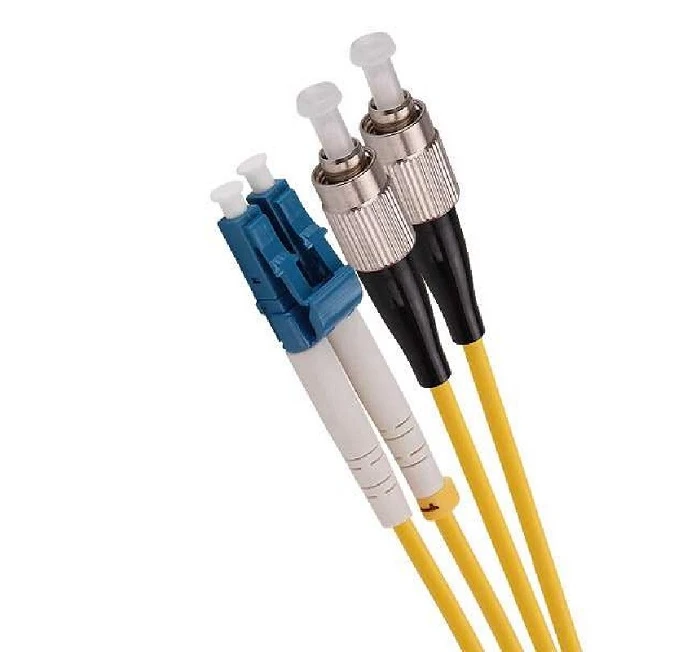
Data rate: Consider the required data rate and select suitable fiber optic connectors and modules. Different speed optical modules typically correspond to specific interface and connector types, ensuring that the connectors can support the required data rates.
Environmental requirements: Consider the special requirements of the deployment environment, such as temperature, humidity, and vibration. Some fiber optic connectors have good weather resistance and environmental adaptability, such as MPO/MTP connectors with high sealing and humidity resistance.
Reliability and Standardization: Choose validated standardized connectors to ensure their reliability and compatibility. Common fiber optic connector standards include LC, SC, ST, MPO, etc., which are widely used and have high reliability.
The trade-off between cost and performance of fiber optic connectors
When choosing fiber optic connectors to pair with optical modules, one can refer to the recommendations and specifications of the equipment manufacturer, as well as a detailed understanding of the required technical specifications and specific application scenarios, in order to make a more suitable choice.
There is a certain trade-off between cost and performance when choosing fiber optic connectors. The following are cost and performance considerations:
Initial cost: Different types of fiber optic connectors have different costs. Generally speaking, more common standardized connectors (such as LC, SC) have a wider range of market applications and lower costs, while certain special connectors or high-performance connectors may be more expensive.
Installation and maintenance costs: The complexity and cost of installing and maintaining fiber optic connectors are related. Some connectors may require special tools or techniques for installation, which may increase costs. In addition, connectors that are easy to connect, disassemble, and maintain can reduce maintenance costs.
Transmission performance: Different types of fiber optic connectors have an impact on the performance of signal transmission. Generally speaking, the higher the quality and accuracy of the connector, the better its transmission performance. High performance connectors typically have lower insertion loss and better reflection loss performance, providing more stable and reliable signal transmission.
Scalability and adaptability: When deploying fiber optic networks, it is also important to consider future expansion and upgrade needs. Some connectors may be easier to expand and upgrade, thereby reducing future costs.
Industry standards and compatibility: Choosing connectors that comply with industry standards can ensure compatibility with devices from different suppliers and reduce the cost of subsequent updates and replacements.
In practical situations, trade-offs and trade-offs need to be made based on specific needs and budgets. For some cost sensitive scenarios with relatively low transmission performance requirements, choose the more common and lower priced ones.


