


Harvard Cable Junction Box
Your Leading Harvard Cable Junction Box Supplier
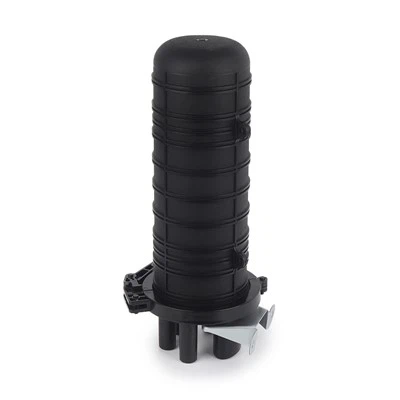
Ningbo Qimante Communication Technology Co., Ltd. is a Chinese fiber optic communication equipment manufacturer with 5 years of production experience. The company has complete production supporting equipment and several technical personnel. Our harvard cable junction box includes 12 cores harvard cable closure junction, 24 cores pole fiber optic cable junction box, 48 cores vertical fiber optic splice closure, 72 cores outdoor cable junction box. These boxes are designed to protect and organize electrical connections, often used in scientific and research equipment setups.


Why Choose Us?
Professional Team
Since its establishment in 2019, the company has a professional technical research and development team, as well as professional management and product testing personnel.
Advanced Equipment
The company currently has production equipment such as injection molding machines, automatic nut planting machines, sheet metal laser cutting machines, bending machines, automatic welding machines, PLC alignment machines, fiber optic testers, fiber optic grinders, etc.
Broad Market
The company's products are mainly exported to Southeast Asia, Europe, America, South America, the Middle East, Central Asia, Africa and other countries worldwide.
Types of Harvard Cable Junction Box
12 Cores Harvard Cable Junction Closure
The 12 cores horizontal cable junction box is used for distributing, connecting and storing outdoor optical cables entering and leaving the box. There are two connection modes: direct connection and branch connection.
24 Cores Pole Fiber Optic Cable Junction Box
The 24-Core Pole Fiber Optic Cable Junction Box is a kind of protection device in overhead line system. We can see this product on many telecommunication poles. It has many functions. The main role is to provide space and protection for cable joints and welding. We can also use the product to manage and store optical cables.
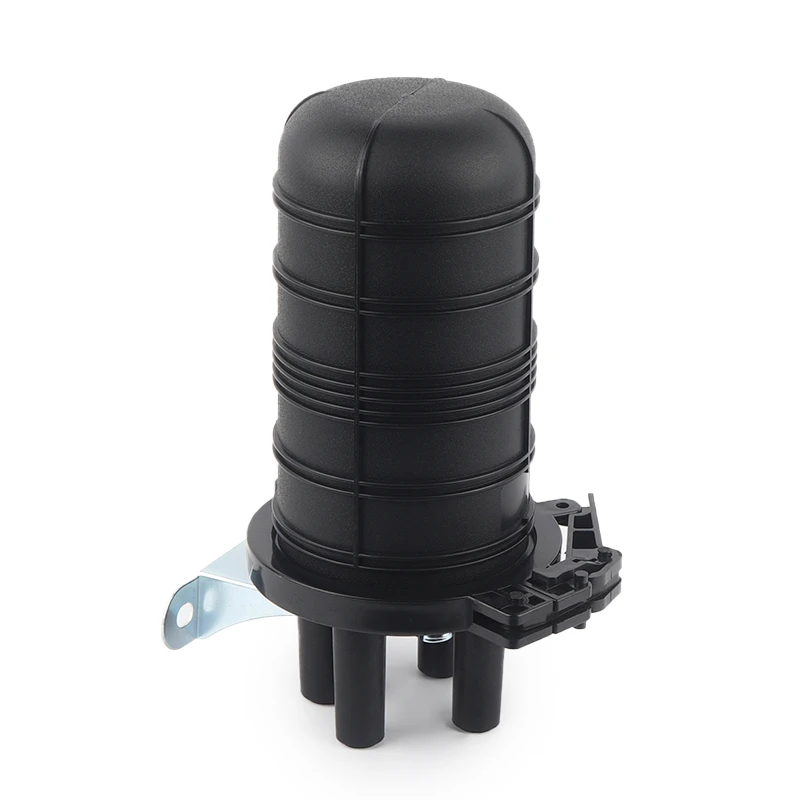
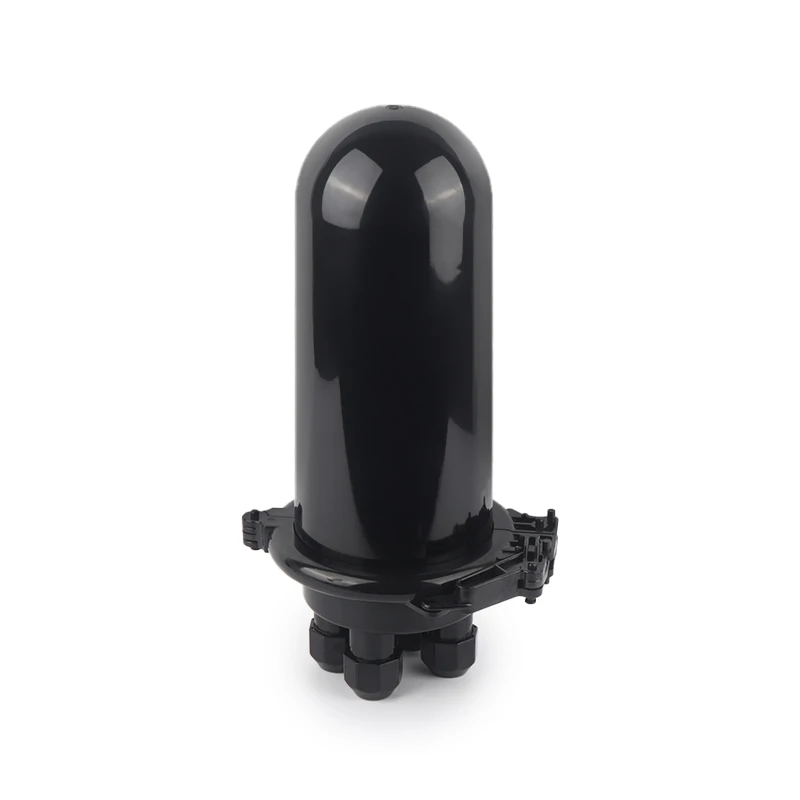
48 Cores Vertical Fiber Optic Splice Closure
The 48-Core Vertical Fiber Optic Splice Closure is widely used in optical cable connection, distribution and shunt. The rugged box housing and main structure can withstand harsh environments. It protects the cable from vibration, shock, stretching and distortion.
72 Cores Outdoor Cable Junction Box
The 72-Core Outdoor Cable Junction Box has four separate circular ports and one oval port. It is suitable for overhead, wall hanging and direct buried applications of direct and branch cable. It is a folding box made of PC or PP material. The housing and base are sealed by silicone. The entrance is sealed with a heat shrink tube.
Specifications of Harvard Cable Junction Box
|
Working temperature: |
-40℃~+60℃ |
|
Storage Temperature: |
-25℃~+55℃ |
|
Relative humidity: |
≤95% (+30℃) |
|
Atmospheric pressure: |
62~101kPa |
|
Sealing structure of cable entry port: |
Heat-Shrinkable |
|
Sealing Structure |
Silicon gum material |
|
Specification(mm): |
435*190 |
|
Large carton size (CM): |
70*42*45 |
|
Quantity (per box): |
8pcs |
|
Weight (per box): |
18.5KG |
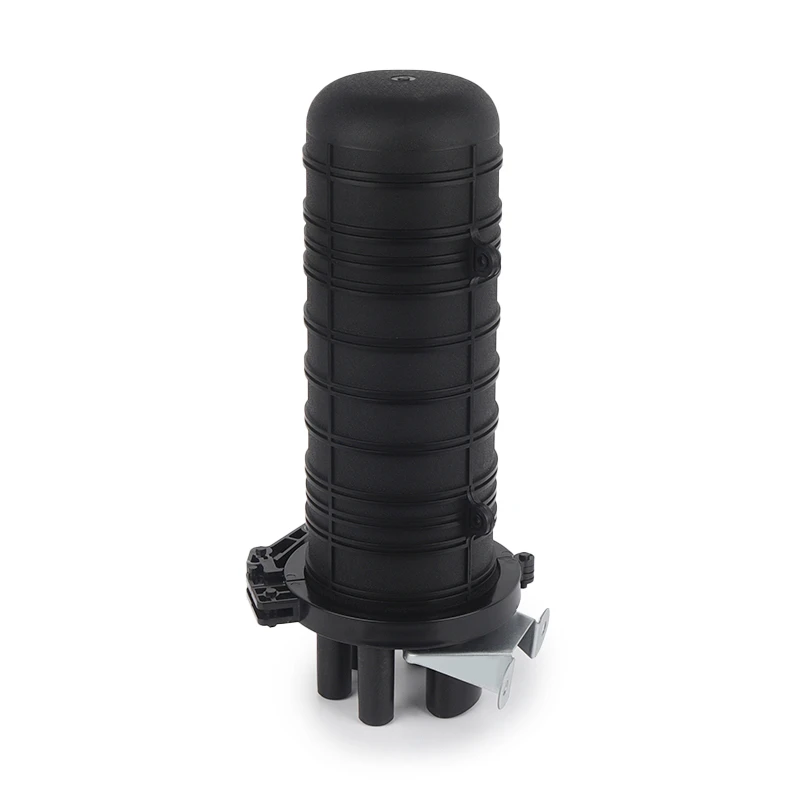
●The box body is made of high-quality engineering spray plastics with beautiful appearance and good workmanship quality;
●Realizing the splicing, fiber splitting and direct fusion of optical cables;
●The box body is installed and locked with screws, making construction convenient and quick;
●The welding plate adopts a flip-type structure, making construction convenient and quick;
●Full curvature radius control ensures that the curvature radius of the optical fiber is greater than 30mm at any position.
Customization Options
Logo
Customizable
Color Box
Customizable
MOQ
Contact Us
Usage Requirements of Harvard Cable Junction Box
Initial Checks
Before delving into complex troubleshooting, it's crucial to perform some basic checks. First, visually inspect the junction box for any obvious signs of damage, such as cracks, loose connections, or water ingress. A damaged box can compromise the integrity of the cables and lead to signal loss or other issues.
Next, check the power supply. Ensure that the junction box is receiving the correct voltage and that all power cables are securely connected. A faulty power supply can cause the box to malfunction or not operate at all.
Cable Inspection
The cables connected to the Harvard cable junction box are the lifelines of the system. Inspect each cable for signs of wear, cuts, or fraying. Pay special attention to the areas where the cables enter and exit the box, as these are often the most vulnerable points.
If you notice any damaged cables, replace them immediately. Using damaged cables can not only affect the performance of the junction box but also pose a safety hazard. Additionally, make sure that all cables are properly labeled and organized to facilitate future maintenance and troubleshooting.
Connection Verification
Loose or incorrect connections are a common cause of problems in cable junction boxes. Check all the cable connections within the box to ensure they are tight and secure. Use a torque wrench to tighten any loose screws or bolts to the recommended specifications.
In addition to physical connections, verify the electrical connections. Use a multimeter to check for continuity and proper voltage levels. If you find any issues with the electrical connections, repair or replace the affected components as necessary.
Signal Testing
If the junction box is used for transmitting data or signals, perform signal testing to identify any issues. Use a signal tester or an optical time-domain reflectometer (OTDR) to measure the signal strength and quality. Compare the test results with the specifications provided by the manufacturer to determine if there are any problems.
If the signal strength is below the acceptable range, check for possible causes such as cable attenuation, interference, or faulty components. You may need to adjust the cable routing, add signal boosters, or replace defective parts to improve the signal quality.
Environmental Considerations
The environment in which the Harvard cable junction box is installed can also have a significant impact on its performance. Extreme temperatures, humidity, and dust can all cause problems over time. Make sure the junction box is installed in a suitable location that is protected from the elements.
If the junction box is exposed to harsh environmental conditions, consider using additional protective measures such as enclosures, seals, or ventilation systems. Regularly clean the junction box to remove any dust or debris that may accumulate on the components.
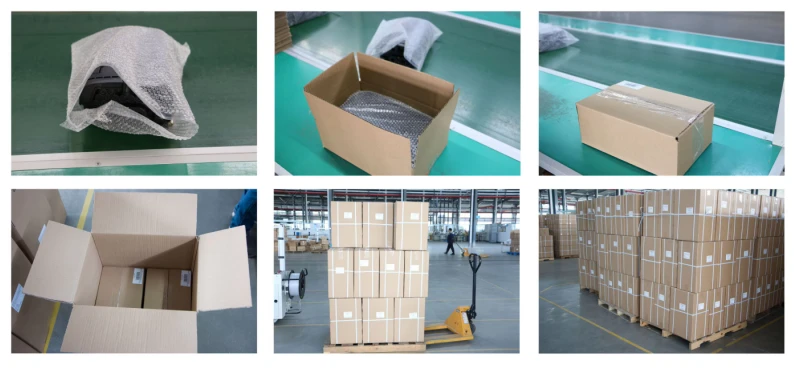
Packing & Delivery
Payment Terms
T.T with 30% downpayment, 70%before shipment.
Paypal or West Union also accept.
FAQ